Spotting Hidden Roof Damage in Midwinter
Don’t Wait for the Thaw: Why Your Oshkosh Home Might Be Signaling for Help Right Now
Winter in Oshkosh isn't just hard on our heating bills—it’s the ultimate stress test for our roofs. While most homeowners wait until the spring melt to think about roofing, midwinter is actually the best time to catch "silent" problems before they turn into expensive structural repairs.
At Rutters Roofing, we know that a roof can look perfectly fine from the street while a major issue is developing just inches beneath the shingles. Here are the three midwinter red flags every Fox Valley homeowner should be looking for right now.
The "Attic Frost" Warning
If you head up into your attic on a freezing January morning and see what looks like a light dusting of snow on the underside of your roof deck or on nail heads, you have a problem. This is attic frost.
- The Cause: This happens when warm, moist air from your living space escapes into the attic due to poor insulation or bypassed seals. When that moisture hits the freezing cold roof deck, it turns to frost.
- The Danger: As soon as the sun hits your roof or the temperature rises, that frost melts. This creates "phantom leaks" that rot your roof deck and ruin your insulation.
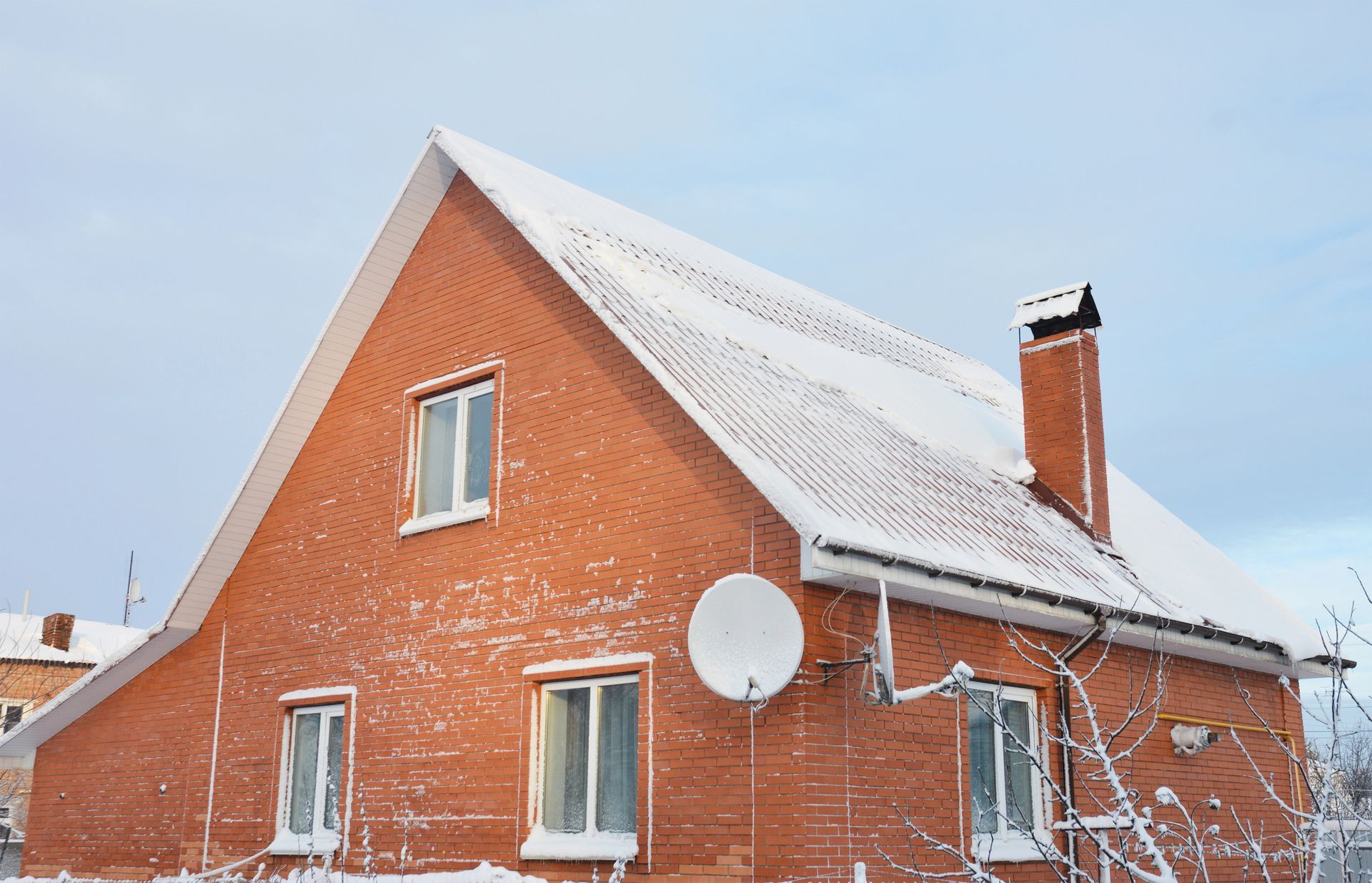
Uneven Snow Melt and Ice Damming
Take a walk out to the curb and look at your roofline compared to your neighbors. Does your roof have large bare patches while theirs is still covered in snow?
- The Red Flag: Uneven snow melt is a sign of "heat loss." Heat is escaping your home and warming the roof deck from underneath.
- The Result: This leads to the dreaded ice dam. The melted snow runs down to the cold eaves (gutters), refreezes, and creates a wall of ice. This ice then forces liquid water backward under your shingles and into your walls.
The "Slow-Growth" Ceiling Stain
Have you noticed a small, tea-colored ring on your ceiling or a bit of bubbling paint near a window frame? Many homeowners mistake these for "settling" or old stains, but in midwinter, they are almost always active leaks.
- Why it happens now: Ice dams often push water into the soffits and behind the siding. Because the water is moving slowly and freezing/thawing repeatedly, the leak might not be a "drip-drip-drip" event. Instead, it’s a slow soak that gradually destroys your drywall and encourages mold growth.
Why a Midwinter Inspection is a Smart Move
Waiting until April to fix a January problem is a recipe for mold and structural rot. Modern roofing technology allows the team at Rutters Roofing to identify and mitigate these issues even in the dead of winter.
By catching these red flags now, you can:
- Prevent Mold: Stopping moisture before the humid spring arrives.
- Save on Energy: Fixing heat bypasses that are currently driving up your gas bill.
- Beat the Spring Rush: Get your repairs done now while schedules are more flexible.
Is your roof trying to tell you something?
If you've spotted frost in the attic or icicles that look a little too substantial, don't wait for the spring rain to confirm your fears.