Why Proper Ventilation Protects Your Roof Year-Round
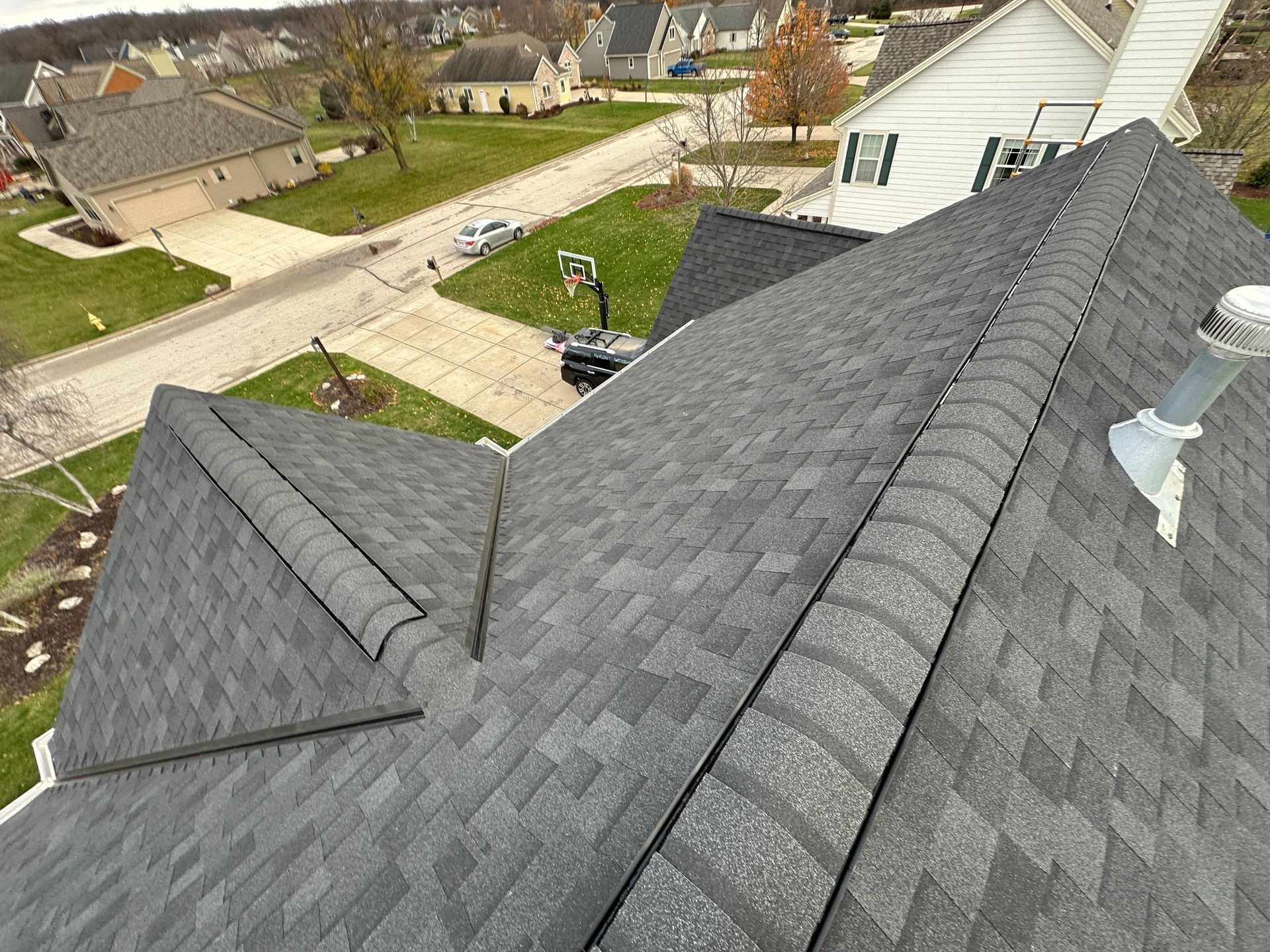
Attic airflow stops condensation before it starts—helping your roof last longer, perform better, and avoid the “surprise” repairs homeowners hate.
Most homeowners think roof problems start on the outside—shingles, flashing, storms. In reality, a lot of expensive roof damage starts inside the attic.
If your attic can’t breathe, moisture builds up. That moisture condenses on cold surfaces, soaks wood and insulation, and quietly shortens the lifespan of your entire roofing system. Proper ventilation is one of the most cost-effective ways to protect roof health year-round—especially in Wisconsin’s swing-from-snow-to-humidity climate.
Rutter’s Roofing works with homeowners across Oshkosh to solve roof problems at the source, not just cover symptoms. If you want a roof that lasts, ventilation belongs on your checklist right next to shingle quality and workmanship.
What “proper attic ventilation” actually does
A well-ventilated attic manages two things that destroy roofs:
- Heat
- Moisture
The goal is simple: keep attic conditions closer to outdoor conditions. That reduces condensation in winter and reduces heat buildup in summer—both of which extend the life of your roof.
Ventilation works best when it’s balanced:
- Intake vents (usually soffit vents) bring fresh air in.
- Exhaust vents (often ridge vents or roof vents) let warm, moist air out.
When intake or exhaust is missing—or blocked—airflow stalls, and the attic becomes a moisture trap.
The real enemy: condensation on the underside of your roof
Here’s the chain reaction that happens in many Wisconsin homes:
- Warm, moist indoor air rises and escapes into the attic (through gaps around lights, bath fans, attic hatches, etc.).
- That moisture hits the cold roof deck in winter.
- It turns into frost or condensation.
- When temperatures rise, it melts and drips—creating what looks like a “roof leak,” even when shingles are fine.
Rutter’s Roofing has written about this exact phenomenon in winter: warm air escapes, freezes on the roof deck, then melts and causes “phantom leaks” that can rot decking and damage insulation.
That’s not a shingle problem. That’s a roof-health problem—and ventilation is a major part of the fix.
Year-round benefits of attic airflow (not just “summer cooling”)
Winter: Prevents frost, rot, and ice dam conditions
In winter, ventilation helps keep the roof deck colder and drier. That reduces:
- Condensation and frost buildup on the underside of the roof deck
- Mold-friendly damp conditions
- Wood rot in decking and framing
- Insulation saturation (wet insulation performs poorly)
It also supports ice-dam prevention by reducing attic heat buildup that melts snow unevenly. (Ventilation isn’t the only factor—air sealing and insulation matter too—but ventilation is a key part of the system.)
Spring: Helps your roof dry out faster
As temperatures swing, small amounts of moisture can linger in attics. Ventilation helps your attic “reset” and dry out faster after:
- Freeze/thaw cycles
- Early spring rains and humidity spikes
- Minor condensation events
Summer: Reduces heat stress on shingles and structure
In summer, poor ventilation traps heat. That can accelerate:
- Shingle aging and curling
- Premature breakdown of roofing materials
- Expansion/contraction stress on the roof system
- Overworked HVAC systems (higher cooling costs)
Bottom line: ventilation is not optional “comfort tech.” It’s roof protection.
Signs your attic ventilation may be failing
You don’t need to crawl into the attic to spot early warnings. Common signs include:
- Ice dams or heavy icicles forming along eaves in winter
- Rusty nails or fasteners in the attic (a subtle moisture clue)
- Musty odors upstairs or near attic access
- Mold on roof sheathing or around attic vents
- Wet or matted insulation
- Roofs aging faster than expected (curling shingles, granule loss)
- Bathroom fans venting into the attic (surprisingly common)
If you’re seeing any of these, you don’t just need “a new roof.” You need a roof system that’s performing correctly.
That’s exactly why Rutter’s Roofing offers free inspections—so homeowners can get an honest assessment of roof and exterior conditions without guesswork.
Schedule a Free Roof Inspection
The “roof system” mindset: how Rutter’s approaches roof health
A roof is more than shingles. It’s a system made up of:
- Roofing material (shingle or metal)
- Underlayment and protective barriers
- Flashing and penetrations
- Ventilation (intake + exhaust)
- Insulation + air sealing (attic boundary)
Rutter’s Roofing positions its work around long-term performance—covering repairs, inspections, and vent-related issues (not just replacements).
Common ventilation mistakes (and why they matter)
1) Exhaust with no intake
Homeowners add exhaust vents but don’t add soffit intake. Result: the attic can’t draw fresh air properly, and exhaust vents may pull conditioned air from the home instead.
2) Blocked soffits
Insulation pushed tight to the roofline can choke intake airflow. Baffles are often needed to keep channels open.
3) Mixed exhaust types fighting each other
Certain combinations (like ridge vent plus powered fans in the wrong placement) can short-circuit airflow—pulling air from the nearest opening instead of sweeping the attic evenly.
4) Bathroom fans dumping moisture into the attic
If a bath fan vents into the attic instead of outdoors, it can overwhelm ventilation and create chronic condensation.
These issues are fixable—but you want them diagnosed correctly, not guessed at.
What you can do now: a roof-health checklist
If you want to protect your roof before damage becomes expensive, start here:
- Look at your soffits: are they visibly blocked or painted shut?
- Check bath fan exhaust: confirm it exits outdoors, not into the attic
- Watch for winter frost patterns: recurring “mystery leaks” can be condensation-driven
- Pay attention to shingle aging: premature wear can be a ventilation symptom
- Get an inspection: especially if your roof is mid-life, not just at end-of-life
When to call Rutter’s Roofing in Oshkosh
If you’re dealing with any of these, it’s time for a professional assessment:
- recurring ice dams or attic moisture
- a musty attic smell or visible mold
- “leaks” that don’t make sense
- uneven roof aging
- recent storm damage and you want a full roof-health review
Rutter’s Roofing serves Oshkosh and communities across Wisconsin and provides straightforward inspections and recommendations based on what your roof system actually needs.